
Click HERE To Buy Vibramycin Online ↓
 Vibramycin Interactions: What to Avoid
Dairy, Antacids and Supplements: When Absorption Fails
Taking doxycycline can feel like a minor drama in your routine: that morning milk or a quick antacid can quietly steal the dose’s power. Many people assume a supplement is harmless, but calcium, magnesium and aluminum products bind the drug and reduce absorption, leaving infections unresolved.
| Substance | Advice |
|---|---|
| Calcium, magnesium | Separate by two to four hours |
| Antacids | Avoid near dosing time |
Occassionally labels are unclear; if you recieve multiple supplements or use antacids chronically, consult your pharmacist or clinician for tailored timing. Proper separation, simple habits, and clear guidance prevent subtherapeutic levels and help infections clear — small steps that make treatment succesful and reliable.
Avoid Iron and Calcium Close to Dosing
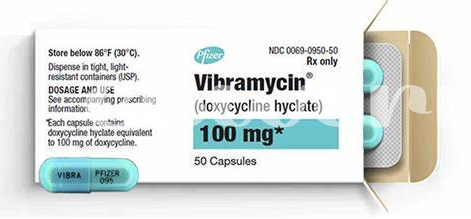
That morning you reach for your vibramycin with coffee and a calcium-fortified cereal, unaware of a subtle clash that can rob the antibiotic of potency. A small timing change can alter how much drug your body actually absorbs.
The problem is chelation: iron, calcium and some supplements bind to tetracycline molecules in the gut, forming insoluble complexes that pass through unabsorbed. This is a clear pharmacologic interaction with measurable decreases in blood levels.
Practical steps help: take vibramycin at least two hours before or four hours after iron or calcium supplements, and avoid dairy at the time of dosing. If you rely on multivitamins, separate them to ensure adequate antibiotic exposure.
Discuss supplements with your clinician rather than stopping therapy on own; sometimes temporary adjustments are neccessary, and a prescriber can recomend dosing strategies or blood tests to monitor effectiveness.
Blood Thinners and Bleeding Risk: What Matters
When you're managing atrial fibrillation and on warfarin, starting vibramycin can feel like adding another player to a delicate dance. Antibiotics such as doxycycline may potentiate anticoagulant effects, raising INR and increasing bleeding risk. Always tell your clinician before beginning an antibiotic, and arrange more frequent INR checks. Watch for bruising, blood in stool or urine, or prolonged bleeding from cuts.
Beyond warfarin, interactions with direct oral anticoagulants are less clear but clinicians often advise caution; report any unusual bleeding or dizziness immediately. Avoid combining NSAIDs when possible, since they can worsen bleeding. Do not stop or change your anticoagulant without medical guidance—temporary monitoring or dose adjustment may be neccessary to keep you safe.
Oral Contraceptives: Do Antibiotics Really Reduce Effectiveness
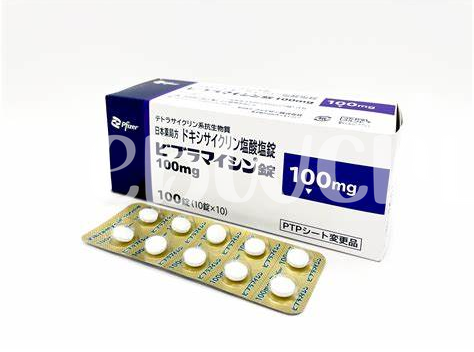
When someone worries a course of vibramycin will wreck her pill routine, imagine a kitchen test: most antibiotics don’t drain contraceptive levels. Doxycycline doesn't induce liver enzymes like rifampin, so hormones are usually stable; the main threat is severe vomiting or diarrhea that blocks absorption.
Clinicians still recomend backup if you have GI upset or are given enzyme inducers such as rifampin or carbamazepine. Check with your prescriber before stopping or changing contraception, use condoms if diarrhea or vomiting is severe, and report unexpected bleeding, pregnancy, or other concerns promptly.
Sun Sensitivity: Avoid Excessive Uv Exposure While Taking
On a bright summer afternoon, a patient told me how a single afternoon at the beach turned into a painful lesson about medication and sunlight. While taking vibramycin, skin can become far more sensitive to UV rays; a short walk can lead to redness, blisters or a stubborn burn. It’s a vivid reminder to plan outings with shade, protective clothing and sunscreen.
Doctors recomend avoiding tanning beds and prolonged exposure, and to check photosensitivity side effects with any new drug. If sun rash or severe redness occurs, stop the antibiotic and seek medical advice — some reactions require immediate care. For daily life, carry a wide-brim hat, UV-blocking sunglasses and SPF 30+ sunscreen, reapply after swimming. These practical steps reduce risk and keep you enjoying outdoors safely. Inform your doctor about any severe sun reaction without delay or hesitation today.
| Tip | Action |
|---|---|
| Clothing | Wear long sleeves and a hat |
| Sunscreen | SPF 30+, reapply often |
| Avoid | Tanning beds and peak sun hours |
Pregnancy, Breastfeeding and Children: Safety Precautions Required
Expectant mothers often picture a safe remedy, but clinicians warn against doxycycline in pregnancy because it can affect fetal bone and tooth development. Teh risk is higher in the second and third trimesters; alternatives are usually chosen. Discuss treatment choices with your provider to balance maternal needs and fetal safety.
Infants and young children are more vulnerable; doxycycline is generally avoided under age eight due to teeth staining and bone effects. While breastfeeding data is limited and Occassionally shows low levels in milk, consult your clinician for guidance. MedlinePlus FDA Label