
Click HERE To Buy Ventolin inhaler Online ↓
 Myths about Ventolin Inhalers Debunked by Science
Do Albuterol Inhalers Really Cause Drug Addiction?
People often worry that frequent use of rescue inhalers leads to addiction. The fear seems plausible because symptoms prompt repeated dosing, but albuterol lacks the psychoactive properties typical of addictive drugs. It stimulates beta-2 receptors in airways, producing bronchodilation rather than euphoria.
Clinical literature and regulatory summaries do not label albuterol as habit-forming. Tolerance to symptom relief can occur with extreme overuse, yet this is a physiological receptor effect, not dependence. Physicians monitor usage patterns to prevent poor control and to adjust controller therapy.
So while carrying and using rescue inhalers responsibly is vital, science separates addiction from appropriate symptom relief. If reliance grows, seek prompt medical review rather than assuming a substance use disorder.
| Claim | Evidence |
|---|---|
| Addiction risk | No psychoactive effect; monitored use recommended |
Long-term Use Harms Lungs: Evidence Versus Fears
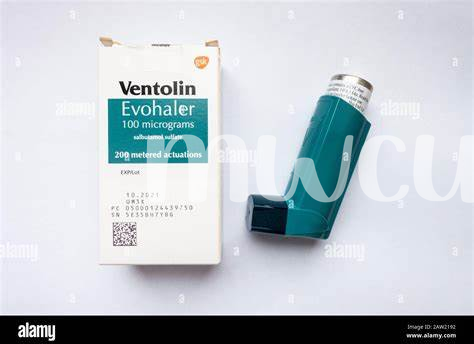
Walking home after an asthma scare, many patients fear that long term use of a ventolin inhaler will slowly damage their lungs. That anxiety feels real, but scientific studies tell a different story: short acting beta agonists relieve bronchospasm without causing chronic lung injury when used appropriately.
Large epidemiological studies sometimes link frequent rescue inhaler use to worse outcomes, but confounding factors such as uncontrolled inflammation and severe disease explain much of that association. Randomized trials have not shown progressive lung damage from regular SABA use; instead, guideline driven control and inhaled corticosteroids prevent decline in lung function.
The practical message is clear: a ventolin inhaler is a rescue tool, not a daily substitute for anti inflammatory therapy. Use it as prescribed, seek review, and focus on asthma control strategies that reduce reliance on relievers protecting long term lung health.
Albuterol Side Effects Exaggerated? What Studies Show
A patient anxiously clutching a ventolin inhaler often fears severe reactions, but clinical data paint a gentler picture. Most side effects—tremor, nervousness, mild tachycardia—are transient and dose-related, resolving with dose adjustment.
Large randomized trials and meta-analyses report low rates of serious adverse events when used appropriately, while pharmacovigilance highlights rare cardiac risks in vulnerable individuals. For most people the benefit of prompt bronchodilation outweighs modest temporary effects, and clinicians can manage risks through education and monitoring. Ongoing research refines dosing and informs safety profiles across age groups and comorbidity considerations.
Can Overuse Make Rescue Inhalers Ineffective over Time?
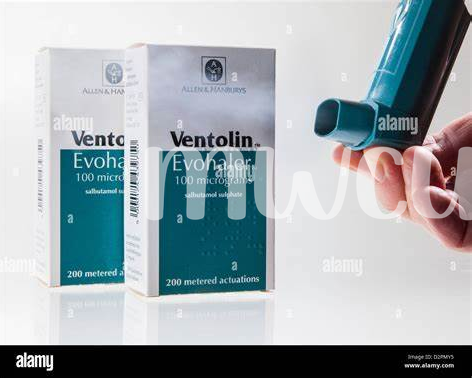
At the moment of gasping for breath, people understandably lean on their rescue inhaler, and stories about diminishing returns can sound terrifying. Scientific studies show that frequent short-acting beta-agonist use can produce some tachyphylaxis — a reduced bronchial response — especially after very frequent dosing, but this effect is usually partial and reversible. Proper controller therapy prevents reliance on a ventolin inhaler and lowers the need for repeated doses.
Clinical evidence links overuse with worse control and higher exacerbation risk, not true pharmacologic "addiction" or permanent loss of efficacy. Guideline-driven management focuses on inhaled corticosteroids and personalized action plans to restore responsiveness and reduce attacks. If you notice needing rescue medication daily, consult a clinician; adjusting anti-inflammatory therapy is the proven route to regain reliable symptom relief. Education and follow-up are essential to prevent misuse and preserve medication effectiveness long-term for patients.
Metered-dose Versus Nebulizer: Which Delivers Better?
A clinic memory: a child calms after a puff of ventolin inhaler while a neighbor uses a nebulizer. Both deliver albuterol, but particle size and technique shape effectiveness and speed.
Metered-dose inhalers give fast, concentrated doses when used with spacers; nebulizers produce mist over minutes, helpful for those unable to coordinate inhalation or for severe exacerbations, especially children and elderly.
Choice depends on context: portability, cost, patient ability, and clinician judgment. For routine quick relief, a ventolin inhaler with spacer often wins; nebulizers remain valuable in certain settings and hospitals.
| Device | Best for |
|---|---|
| MDI | Portability |
| Nebulizer | Severe or uncooperative patients |
Albuterol Use during Pregnancy: Evidence-based Safety Findings
Many pregnant people worry that inhalers harm the fetus, but clinicians tell a different story: controlled asthma is safer than untreated attacks, and short-acting beta-agonists remain first-line rescue therapy overall.
Large observational studies and registries show no consistent increase in birth defects linked to inhaled albuterol. Dose monitoring and obstetric collaboration reduce risks while preserving maternal oxygenation and fetal health.
Guidelines advise continuing inhaled bronchodilators for symptom control, using the lowest effective dose and documenting benefits versus side effects. Shared decision-making reassures patients and supports safe pregnancy and neonatal outcomes. ACOG – Asthma During Pregnancy NHS – Asthma and pregnancy