
Click HERE To Buy Valtrex Online ↓
 Valtrex for Shingles: What Patients Should Expect
How Valtrex Works Against Shingles Breakouts
When the shingles virus reactivates, it travels along nerves and causes painful skin eruptions. Valtrex steps in by stopping the virus from multiplying further, targeting the replication process at a cellular level. This means fewer new blisters and potentially a milder outbreak.
Patients often feel some relief within a couple of days as blisters stop spreading. By weakening the virus early, Valtrex also plays a crucial role in curbing overall nerve pain that can linger after the rash heals.
| Action | Effect on Shingles |
|---|---|
| Blocks virus replication | Limits new blister formation |
| Lowers viral activity | Reduces severity of outbreak |
When to Start Taking Valtrex for Best Results

Timing is everything when it comes to starting valtrex if you want to ease the severity of shingles. Most doctors emphasize the importance of beginning treatment as soon as the first tingle, itching, or burning appears, even before a rash breaks out. This is because the medication works best during the virus’s earliest active stage, helping limit nerve damage and reducing the risk of lingering pain.
Imagine noticing a sudden band of discomfort along your torso or face—acting quickly is crucial. Research shows that beginning valtrex within 72 hours of the first symptoms can significantly shorten the duration of shingles outbreaks and make them less intense. If blistering has already started, it’s still valuable to start treatment, as valtrex may help speed healing and minimize complications.
Don't wait for the full rash to develop before seeking help. Even a short delay can mean more pain and a longer recovery. Early treatment with valtrex not only helps manage uncomfortable symptoms, but can also improve your chances of returning to normal life faster and with fewer lasting effects. Always consult your healthcare provider promptly for personalized guidance.
Common Side Effects Patients Might Experience
As you begin your course of valtrex, it's natural to want to know what your body might experience. Some people report mild symptoms like headache, dizziness, or feeling a bit more tired than usual. Occasionally, digestive upset—nausea or abdominal discomfort—can occur.
Most individuals find these effects are temporary and manageable. Staying well-hydrated and taking valtrex with food may help ease stomach troubles. Always keep your healthcare provider informed if symptoms persist or worsen, as adjustments or support might be needed.
Tips for Managing Discomfort during Treatment
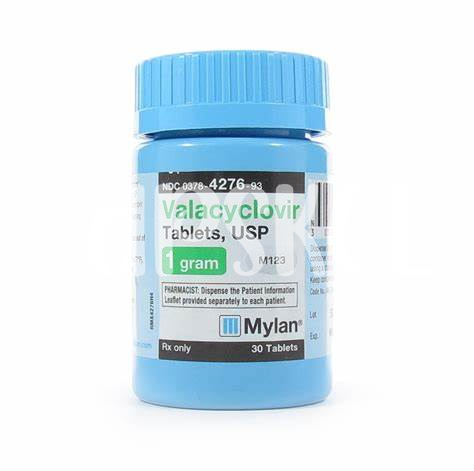
During shingles treatment with Valtrex, patients often seek relief from burning, itching, or tingling sensations. Applying cool, damp compresses to affected skin areas can help soothe irritation and reduce inflammation. Wearing loose, breathable clothing also prevents additional friction, making daily movement more comfortable.
It’s essential to maintain regular hydration and rest, as both support the body’s healing process and may help reduce fatigue related to the infection. Over-the-counter pain relievers, used under a doctor’s guidance, can also ease discomfort. Some patients find that gentle distraction, such as listening to music or reading, lessens the focus on pain.
Lastly, keeping the rash clean and dry protects the area and prevents further complications. Do not scratch or pick at blisters, as this can lead to infection or scarring. With Valtrex working internally to fight the virus, these supportive care strategies can make the treatment period much more manageable.
What to Expect with Valtrex Dosage and Timing
Valtrex is usually prescribed for shingles as a course of tablets taken orally, often three times per day for seven days. Strict adherence to this regimen is essential, as missing doses can affect the medication’s effectiveness. Patients may notice improvement in symptoms within a few days, but it remains important to complete the full prescribed course.
The typical dosage is 1,000 mg per dose, though your doctor may adjust this based on individual health factors. Taking Valtrex at evenly spaced intervals helps maintain a constant level of the drug in your system, which is crucial for fighting the virus. Drinking plenty of fluids is also recommended to support kidney function during treatment.
| Dosage | Frequency | Duration |
|---|---|---|
| 1,000 mg | Three times daily | 7 days |
If you ever miss a dose, take it as soon as you remember, but never double up to make up for the missed tablet. Regularly communicating with your healthcare provider ensures your Valtrex treatment stays tailored to your specific needs and supports optimal recovery from shingles.
How Valtrex Influences Long-term Shingles Recovery
Many patients hope for smooth healing beyond the initial rash and pain of shingles. By working to suppress the varicella-zoster virus, Valtrex can actually help speed skin recovery and may lower the risk of severe lingering complications, like postherpetic neuralgia. This difficult condition involves nerve pain that can persist for months after shingles clears, and antiviral therapy early on is linked to fewer long-term problems.
Research shows that taking Valtrex as prescribed often leads to milder symptoms in the later phases of recovery. Patients commonly report less intense itching, scarring, and discomfort in the weeks following their acute infection. As a result, daily life returns to normal more quickly.
It's also important for patients to remember that everyone's healing timeline is different. Factors such as age, immune health, and how soon treatment begins all play a role in long-term outcomes. That said, sticking closely to your treatment plan with Valtrex helps ensure the best possible recovery, minimizing lasting side effects and promoting comfort.
Ultimately, while shingles can be disruptive and unnerving, effective use of antivirals like Valtrex offers hope. With the right approach, many patients experience a faster, smoother journey back to health—often with fewer lasting reminders of the shingles episode.