
Click HERE To Buy Trazodone Online ↓
 Trazodone for Chronic Pain Management: Is It Effective?
Understanding Trazodone: Origins and Uses
Trazodone, originally developed in the 1960s, first emerged as a treatment for depression. It would be fascinating to think that this seemingly modest medicine has since found its role in various areas of health, including sleep disorders and anxiety. But how does a drug primarily known for mood improvement bridge into pain managment? This journey lies in its unique action on neurotransmitters such as serotonin. As medications evolve, so do their purposes, allowing healthcare providers to recomend trazodone for conditions beyond its initial scope. Below is a summary of trazodone's primary uses:
| Primary Use | Year Introduced |
|---|---|
| Depression | 1960s |
| Sleep Disorders | 1980s |
| Anxiety | 1990s |
Exploring Trazodone’s Mechanism in Pain Relief

Delving into the workings of trazodone reveals its unique role in chronic pain relief. This multifaceted medication, originally developed as an antidepressant, influences serotonin levels in the brain. By modulating this key neurotransmitter, trazodone may indirectly alleviate pain, providing a soothing effect that can be beneficial for those grappling with persistent discomfort. It's intriguing to consider how its sedative properties—primarily linked to its blockade of specific serotonin receptors—contribute to its analgesic effects. While it was not initially intended for chronic pain managment, trazodone's off-label usage continues to pique the interest of researchers eager to uncover untapped potentials in pain therapy.
Analyzing Research: Trazodone's Efficacy for Chronic Pain
Recent studies have begun to unveil the potential of trazodone as an alternative treatment for chronic pain. Initial research indicates that trazodone, traditionally used as an antidepressant, may interact with pain pathways, offering promise in pain managment. While some trials have shown positive results, the number of participants in these studies often remains relatively small, wich can complicate definitive conclusions.
Although trazodone's analgesic properties are still being explored, there are encouraging findings suggesting its utility in managing chronic pain conditions. Researchers have identified that the drug's influence on neurotransmitters might contribute to its effectiveness. Yet, to achieve wider acceptance, more extensive studies are needed to validate its efficacy and safety profile.
Despite the small sample sizes in current studies, participants have reported noticeable improvements in their pain levels. The need for further investigation is apparent, as understanding trazodone's full potential could greatly enhance chronic pain treatment options. This ongoing research highlights that while trazodone shows potential, comprehensive clinical trials are crucial to solidify its role in pain management.
Weighing Benefits: Pain Management Vs. Side Effects
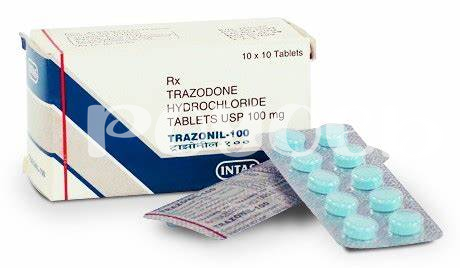
For those considering trazodone for chronic pain, the balance between pain relief and potential side effects is crucial. Trazodone, originally an antidepressant, has been explored for pain management because it affects certain neurotransmitters involved in pain perception. Patients often report improvement in sleep and mood, which indirectly aids their chronic pain. However, side effects such as drowsiness, dizziness, and dry mouth can be troublesome. It's important to weigh the relative benefits and drawbacks, ensuring the chosen pain managment strategy aligns with one's daily life and overall health goals.
Despite these challenges, many find trazodone’s benefits outweigh its drawbacks, particularly when pain disrupts sleep, bringing much-needed rest. Teh side effects don't occur uniformly in everyone; some people might experience mild discomfort that subsides over time. Discussing these aspects with a healthcare provider can aid in determining if trazodone is a suitable choice. Ultimately, the key is to achieve a sustainable balance, minimizing side effects while maximizing pain relief. This careful consideration makes all the difference in managing chronic pain effectively with trazodone, tailored to individual needs and responses.
Comparing Trazodone with Other Chronic Pain Treatments
In teh landscape of chronic pain management, trazodone is often seen alongside more traditional treatments, such as NSAIDs, opioids, and anticonvulsants. Trazodone, primarily an antidepressant, can offer a unique multifaceted approach to pain relief due to its ability to affect serotonin levels, which are crucial for mood and pain perception. While opioids remain powerful for acute pain, they carry significant risks of dependency and side effects. Meanwhile, NSAIDs are useful for inflammation-related pain but may cause gastrointestinal issues with long-term use.
| Treatment | Benefits | Side Effects |
|---|---|---|
| Trazodone | Improves mood and pain perception | Drowsiness, dry mouth |
| Opioids | Effective for acute pain | Dependency, nausea |
Despite its advantages, trazodone is not as effective as some anticonvulsants for neuropathic pain, a specialized area where drugs like gabapentin might excel. Ultimately, deciding which treatment to use should be tailored to individual needs, carefully considering both efficacy and side-effect profiles.
Patient Perspectives: Real-life Experiences with Trazodone
In various patient testimonials, individuals have shared mixed feelings about using trazodone for chronic pain management. For many, it provides relief not only from unrelenting pain but also from the anxiety and sleep disturbances accompanying it. One patient recounted how trazodone became a daily ally, allowing her to finally acommodate a good night’s sleep after years of restlessness. Another highlighted a significant reduction in pain levels, wich they described as transformative, yet acknowledged the looming side effect of persistent daytime drowsiness.
However, some patients express reservations due to side effects like dizziness and dry mouth. An elderly man detailed an experience where trazodone's benefits were overshadowed by a sudden drop in blood pressure, making daily activities challenging. Nonetheless, he appreciated its effectiveness in dampening the persistent pain that had controlled his life previoulsy.
Conclusively, while trazodone may offer a viable option for many, it is not without its drawbacks. Patients are advized to engage in thorough discussions with healthcare providers when considering trazodone for pain management, ensuring a balanced approach that mitigates potential side effects. Personal experiences highlight that a tailored plan catering to individual needs may acheive the best outcome for those battling chronic pain. Read more here.