
Click HERE To Buy Strattera Online ↓
 Strattera and Cognitive Function: What You Need to Know
Understanding Strattera: Mechanism of Action
Strattera, generically known as Atomoxetine, works by selectively inhibiting the reuptake of norepinephrine, a key neurotransmitter in the brain. This action increases the levels of norepinephrine available to bind to receptors, thereby enhancing neurotransmission. Unlike stimulant ADHD medications, Strattera does not primarily boost dopamine levels, which reduces the risk of dependency.
The increased norepinephrine levels result in improved attention, focus, and impulse control, making Strattera effective for those with ADHD. It achieves these effects by targeting areas of the brain responsible for executive function and behavioral control. Its distinct mechanism sets it apart from traditional stimulant therapies.
| Property | Details |
|---|---|
| Drug Name | Strattera (Atomoxetine) |
| Mechanism | Norepinephrine reuptake inhibitor |
| Primary Target | Norepinephrine levels in the brain |
| Dependency Risk | Lower than stimulant ADHD medications |
Benefits of Strattera for Cognitive Function

Strattera, also known as atomoxetine, is a non-stimulant medication commonly prescribed for ADHD. Unlike traditional stimulants, Strattera works by selectively inhibiting the reuptake of norepinephrine, a neurotransmitter associated with attention and impulse control. This unique mechanism of action allows for a gradual improvement in cognitive functions such as focus, attention, and organization. Patients often report increased mental clarity and reduced distractibility, which can significantly enhance daily activities and overall quality of life.
Moreover, Strattera's benefits extend beyond just improving attention. Many users find that it helps with processing speed and working memory, which are critical components of cognitive function. By stabilizing mood fluctuations and minimizing hyperactive behaviors, Strattera fosters a more conducive environment for learning and productivity. Whether it's keeping up with work tasks or managing academic responsibilities, Strattera offers a robust solution for those struggling with the cognitive challenges posed by ADHD.
Common Side Effects and How to Manage Them
Strattera, known generically as atomoxetine, has been widely used for its benefits in managing ADHD. However, like all medications, it comes with a set of common side effects. Some individuals may experience gastrointestinal issues such as nausea and vomiting, which can often be mitigated by taking the medication with food or gradually increasing the dosage. Additionally, users may encounter sleep disturbances, including insomnia or excessive drowsiness. Establishing a consistent sleep routine and avoiding stimulants late in the day can help manage these effects.
Some people report experiencing mood swings or irritability while on Strattera. Open communication with a healthcare provider is crucial in these cases to adjust the dosage or explore supplementary treatments. Regular follow-ups and monitoring ensure that these side effects are kept in check while maintaining the cognitive benefits of the medication. Understanding and managing these side effects can lead to a more effective and comfortable treatment journey with Strattera.
Comparison with Other Adhd Medications
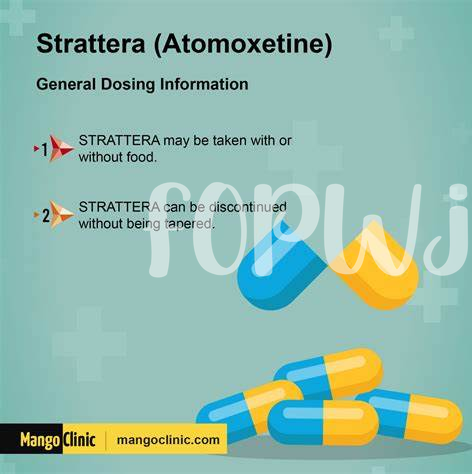
While stimulant medications like Adderall and Ritalin are the go-to choices for many, Strattera offers a non-stimulant alternative that boasts a different approach. Unlike stimulants that target dopamine levels, Strattera primarily affects norepinephrine. This distinction means Strattera is less likely to cause the peaks and troughs that stimulants sometimes produce.
Moreover, Strattera may be an ideal option for individuals who have contraindications for stimulant use, such as those with a history of substance abuse. However, it’s important to consult with a healthcare provider for personalized advice, as effectiveness can vary widely between individuals.
Real-world Experiences: Strattera Users Speak Out
Many Strattera users have shared their experiences on various online forums and platforms. Jessica, a college student, mentioned that Strattera significantly improved her ability to focus during lectures and while studying, helping her achieve better grades. Similarly, Tom, who has been using Strattera for five years, reported enhanced organizational skills and a reduction in impulsivity, which positively impacted his work performance.
| User | Experience |
|---|---|
| Jessica | Improved focus and better grades. |
| Tom | Enhanced organizational skills and reduced impulsivity. |
However, not all experiences are entirely positive. Some users have expressed concerns about side effects like insomnia and appetite loss, indicating that individual responses to Strattera can vary.
Long-term Impact of Strattera on Brain Health
As individuals use Strattera over extended periods, research suggests potential benefits for brain health, including neuroprotective effects. This is attributable to its mechanism of action targeting norepinephrine, which may foster cognitive resilience and brain performance. However, comprehensive long-term studies are still needed to fully understand these effects.
While some users report sustained improvements in concentration and executive function, concerns about potential neurobiological changes persist. Regular monitoring by healthcare professionals is crucial to ensure that the benefits outweigh any risks. Open dialogue with a medical provider can help navigate these complexities, ensuring safety and effectiveness.