
Click HERE To Buy Propecia Online ↓
 Propecia: Myths, Facts, and Common Misconceptions
Understanding Propecia: What It Really Is
Propecia, generically known as finasteride, is a prescription medication primarily used to treat male pattern baldness. It works by inhibiting the conversion of testosterone to dihydrotestosterone (DHT), a hormone linked to hair loss. Approved by the FDA in 1997, Propecia has since become a widely used treatment for hair thinning and loss in men. Understanding its composition and mechanism is crucial for those considering it as a hair restoration solution. Let's delve into what makes Propecia unique and effective in addressing hair loss challenges, while dispelling the common myths associated with its use.
| Aspect | Description |
|---|---|
| Generic Name | Finasteride |
| Purpose | Treat male pattern baldness |
| Action Mechanism | Inhibits conversion of testosterone to DHT |
| FDA Approval | 1997 |
The Science Behind Propecia's Effectiveness

Propecia, known generically as finasteride, operates by targeting the underlying biological mechanisms of hair loss. At its core, it inhibits the action of the enzyme 5-alpha-reductase. This enzyme is responsible for converting testosterone into dihydrotestosterone (DHT), a hormone linked to hair follicle shrinkage in male pattern baldness. By reducing DHT levels, Propecia helps maintain and even increase hair follicle size, promoting healthier hair growth. Clinical studies have shown that with consistent usage, Propecia can significantly slow hair loss progression and, in many cases, stimulate new hair growth. This efficacy makes it a popular choice for men worldwide facing androgenetic alopecia. While Propecia is not a cure, its mechanism effectively manages a primary factor in male hair loss, offering a practical solution for many.
Common Myths about Propecia Debunked
Propecia often faces misconceptions, notably that it causes immediate hair regrowth. In reality, it works gradually by inhibiting DHT, a hormone linked to hair loss, and may take several months to show results. Another myth is that Propecia is only effective for older men. Studies demonstrate its effectiveness across various age groups, especially when treatment begins early. Some believe stopping Propecia leads to permanent hair loss, but the truth is that hair simply reverts to its pre-treatment state without the drug.
Real-life Benefits of Using Propecia
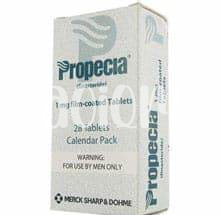
For those grappling with hair loss, Propecia can be a transformative solution, offering a route back to increased self-esteem. By inhibiting the production of dihydrotestosterone (DHT), a hormone linked to hair follicle shrinkage, Propecia supports the regrowth and maintenance of hair. Users often report not only a noticeable slowdown in hair loss but also substantial regrowth.
The psychological benefits of Propecia are equally compelling. Hair loss can take a toll on one's confidence, contributing to feelings of insecurity. With Propecia's effectiveness, many users experience a significant boost in self-image, empowering them in social and professional settings.
Moreover, the convenience of Propecia, typically administered as a daily pill, makes it an accessible treatment. When incorporated into a routine, it allows for seamless adaptation, contributing to consistent use and optimal results.
Propecia Side Effects: Separating Fact from Fiction
When discussing Propecia, it's vital to understand the nuances of its side effects. Many fears stem from misinformation; for instance, the belief that all users suffer from severe side effects is a misconception. In reality, most side effects, such as a reduced libido, are experienced by only a small percentage of users and are often temporary.
| Common Side Effects | Prevalence | Duration |
|---|---|---|
| Reduced Libido | Less than 2% | Often Temporary |
| Erectile Dysfunction | Less than 2% | Often Temporary |
| Depression | Rare | Varies |
Equipping oneself with accurate information can alleviate unnecessary worries and help potential users make informed decisions. The benefits of Propecia in managing hair loss often outweigh the potential risks, particularly when side effects are minor and temporary. Understanding the statistical likelihood of these effects can guide a more rational approach to considering its use.
Propecia and Hair Loss: Long-term Considerations
Propecia has been a groundbreaking treatment in addressing hair loss concerns, but understanding its long-term implications is crucial. As users continue treatment, it becomes clear that Propecia can help maintain hair over extended periods, offering hope to those dealing with pattern baldness. Propecia works by inhibiting the formation of DHT, a hormone responsible for hair follicle miniaturization, thereby promoting a healthier environment for hair retention.
Over time, patience remains key, as consistent usage may yield significant results. However, discontinuing Propecia might lead to resumed hair loss. Thus, individuals must weigh commitment to ongoing treatment against expectations for sustained outcomes, ensuring informed decisions about their hair restoration journey.