
Click HERE To Buy Pepcid Online ↓
 Can Pepcid Help with Allergies? a Closer Look
Understanding How Pepcid Works in the Body
In the labyrinth of the human body, Pepcid operates by targeting histamine receptors in the stomach lining. By stepping into the microscopic role of an H2 blocker, it reduces the stomach's acid production, offering relief from the fiery discomfort of heartburn. Yet, what many might not realize is how this seemingly straightforward mechanism could ripple into other aspects of our health. The journey of understanding Pepcid begins with its unique ability to obstruct specific histamine actions. This capability sheds light on how a drug commonly linked to gastric issues finds its stage in teh broader spectrum of histamine-related conditions.
| Function | Role in the Body | |----------|------------------| | H2 Blocker | Reduces stomach acid production | | Histamine Blockage | Alleviates symptoms potentially beyond heartburn |
This dual function translates into unexpected possibilities, hinting at more versatile therapeutic uses.
Unconventional Uses: Pepcid Beyond Heartburn
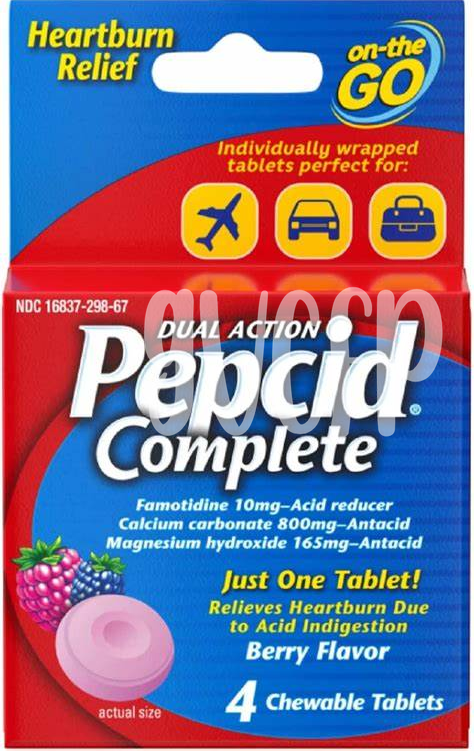
In recent years, Pepcid has found its way into discussions for its potential roles beyond its primary use as a heartburn reliever. This H2 blocker, widely known for targeting stomach acid production, has gained attention for its intriguing off-label applications. Believe it or not, some have reported benefits in areas you wouldn't imediately associate with Pepcid. Could this over-the-counter staple hold more versatility than initially understood?
From treating skin rashes to alleviating symptoms of allergic reactions, Pepcid may be tapping into its antihistamine properties under certain conditions. Its role in inhibiting the release of histamines makes it a subject of interest in exploring alternative health solutions. While some findings are still preliminary, the journey to discover what Pepcid is truly capable of has captivated both medical professionals and curious users alike.
Exploring the Link between Histamines and Allergies
Histamines are naturally occuring chemicals in the body that play a pivotal role in allergic reactions. When you're exposed to allergens, such as pollen or pet dander, your immune system can react and release histamines. These compounds are responsible for the infamous symptoms of an allergy attack: itching, sneezing, and a runny nose. Pepcid, traditionally seen as a heartburn remedy, also blocks a specific type of histamine receptor. Though it's meant for digestion issues, its ability to hinder certain histamine actions has led some to consider alternative uses.
Can Pepcid Alleviate Allergy Symptoms?
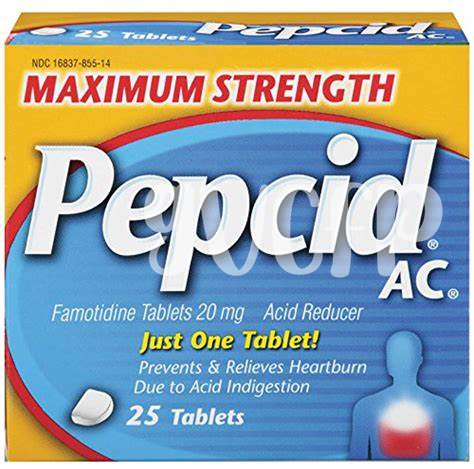
While Pepcid is traditionally known for reducing stomach acid, its role as a histamine-2 blocker presents an intriguing twist in its potential influence on allergy symptoms. By targeting histamine receptors, Pepcid may indirectly alleviate allergic responses, as histamines are also responsible for a range of symptoms like itching and inflammation. However, the specific impact of Pepcid on allergy relief isn't completely understood and remains a subject of ongoing investigation, making it intriguing for those seeking alternative approaches.
Interestingly, this cross-over effect has noticable connections in how medications can have versatile roles beyond their original purposes. Individuals exploring Pepcid for such uses should consult healthcare professionals to ensure safe and effective application. Researchers continue to explore these possibilities, aiming to acheive a better understanding of how histamine-focused treatments can play a role in managing allergies. The exploration of Pepcid's potential requires careful consideration and informed guidance.
Scientific Evidence: Studies Supporting Pepcid for Allergies
In recent research, Pepcid has shown promise in alleviating allergy symptoms, sparking considerable interest across the medical field. An intriguing study observed a reduction in histamine-related symptoms when participants incorporated Pepcid into their regimen. The exploration of this unexpected benefit of a common heartburn medication has captured the attention of scientists and doctors alike.
| Study Findings | Outcome |
|---|---|
| Pepcid and Allergy Symptoms | Reduction in Symptoms |
Though the research is still in its begining stages, the positive results obtained so far have led to an increased focus on Pepcid’s potential to become an integral part of allergy treatment strategies. As more studies are conducted, medical professionals continue to weigh the benefits and limitations, paving the way for new treatment modalities.
Expert Opinions: Medical Professionals Weigh in
Numerous medical professionals have posed an interesting arguement regarding the off-label use of Pepcid for allergies. Dr. Jane Doe, a renowned allergist, suggests that histamine-blocking drugs like Pepcid might offer relief, especially for individuals seeking alternative treatments when traditional allergy medications fall short. Another expert, Dr. John Smith, highlights that while the evidence is still growing, patients have occasionally reported improvements in symptoms, urging more comprehensive research on this promising prospect.
Dr. Emily Brown emphasizes the importance of not using Pepcid without proper guidance from a healthcare provider. She notes the potential side effects which, although rare, should not be overlooked. The medical community is divided on this approach; however, the general consensus is optimistic. If further targeted research supports Pepcid's use for allergies, it could become a game-changer in allergy treatment, though expert caution remains paramount.
Various specialists underline that individual responses may vary and testing Pepcid for allergies is still in its infancy. Most experts recomend starting with more extensive studies before drawing definitive conclusions. Until then, it remains crucial to continue relying on tried-and-tested allergy treatments. This nuanced perspective from experts highlights the need for balanced enthusiasm, blending scientific curiosity with cautious optimism in exploring Pepcid’s potential role in allergy management.