
Click HERE To Buy Omnacortil Online ↓
 Safe Dosage and Tapering Guidelines for Omnacortil
Understanding How Corticosteroid Dosing Affects Your Body
A sudden prescription can feel like a lifeline; corticosteroids work to dial down inflammation and restore function. Dose determines reach: low doses nudge immune activity, moderate doses produce systemic effects, and high doses suppress adrenal output. Understanding this spectrum helps patients anticipate benefits and risks.
Clinicians balance urgency with safety, tailoring starting doses to illness severity and patient comorbidity. Even brief courses can alter metabolism, mood and blood pressure, so baseline assessment and clear follow-up reduce surprises. Ask about expected duration, side-effect signs, and how dosing might change with illness.
Identifying Safe Starting Doses for Different Patients
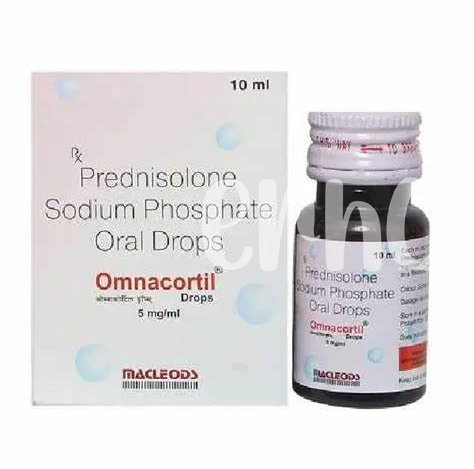
Begin with the lowest effective dose and personalize therapy based on disease severity, body size and comorbidities. For acute inflammation, a short course of omnacortil at standard dosing often suffices; chronic conditions require cautious escalation.
Special populations need adjustments: children use weight-based calculations, elderly patients may start lower to reduce delirium and osteoporosis risk, and those with diabetes, hypertension or infections may need alternative regimens. Always review concurrent medications for interactions.
Discuss risks and benefits with patients, set measurable goals, and plan monitoring: blood pressure, glucose, mood and bone health. Use the minimum effective duration, consider prophylactic calcium and vitamin D, and schedule follow-up to adjust omnacortil dose promptly if adverse effects appear as needed.
Monitoring Side Effects: When to Seek Help
When you start omnacortil, keep a daily log of mood, sleep, appetite and blood pressure. Small changes can signal emerging side effects, so describe them clearly to your clinician promptly.
Seek immediate help for high fever, severe unexplained bruising, sudden vision loss, chest pain or signs of infection; these may indicate serious complications requiring urgent evaluation and treatment and hospitalization.
During tapering, watch for weakness, nausea, dizziness or severe fatigue. Communicate promptly about adrenal insufficiency symptoms and adjust dosing only under medical supervision for safety to prevent dangerous withdrawal effects.
Tapering Strategies to Prevent Withdrawal Symptoms

Stopping a corticosteroid can feel like stepping off a cliff unless you descend slowly; many patients on omnacortil tell of fatigue and joint stiffness when reduction is rushed. A sensible approach balances the minimum effective dose with time to let the hypothalamic–pituitary–adrenal axis recover.
Work with your prescriber to create an individualized plan that decreases dose in small steps over weeks to months, pauses when withdrawal symptoms emerge, and uses objective checks such as symptom diaries and, if needed, laboratory tests. During illness or stress, temporary dose increases may be safer than abrupt cessation.
Keep clear lines of communication, report dizziness, severe weakness, or low mood promptly, and never stop corticosteroids suddenly without medical advice.
Adjusting Dose for Intercurrent Illnesses and Stress
When fever, infection, surgery or emotional stress strike, patients often need brief increases in corticosteroid dosing to mimic the body's normal stress response. Discuss any planned change with your prescriber; many clinicians recommend a temporary increase (often doubling the maintenance dose) for moderate illnesses, with parenteral coverage for severe events. For patients on omnacortil, clear sick-day instructions and an emergency injectable plan reduce risk. Keep a journal of symptoms and doses during intercurrent illness so adjustments are evidence-based rather than instinctive.
Return to baseline when recovery is stable, tapering slowly to prevent adrenal insufficiency. Seek urgent care for severe weakness, vomiting or dizziness. Carry a steroid-alert card and tell caregivers about dose changes and infections.
| Situation | Typical action |
|---|---|
| Mild infection | Double maintenance dose for 48–72 hours |
| Severe illness/surgery | Parenteral replacement; specialist input |
Long-term Risk Reduction and Bone Health Tips
Years of steroid therapy can quietly erode bone. Start with low effective doses and regular risk reviews, making prevention a routine priority.
Ensure daily calcium and vitamin D, add weight-bearing exercise, and stop smoking; small habits compound into measurable bone strength over time and sunlight.
Ask your clinician about baseline DEXA scans and fracture risk calculators; consider bisphosphonates or other agents if risk is elevated and lab monitoring.
Monitor symptoms, prevent falls at home, and reassess steroid necessity regularly, preserving mobility and bones guides long-term health with periodic medication reviews.
Prednisolone (PubChem) Prednisolone (NHS)