
Click HERE To Buy Mebendazole Online ↓
 Comparing Mebendazole and Albendazole: Which to Choose?
Mechanisms of Action: How Each Drug Works
Think of each drug as a saboteur inside the worm’s machinery. Both bind parasite beta-tubulin, disrupting microtubule formation and collapsing nutrient transport. Mebendazole stays concentrated in the gut, starving intestinal worms and causing structural breakdown until they die and are expelled, with poor systemic absorption.
Albendazole is metabolized to albendazole sulfoxide, reaching tissues to attack migrating or encysted parasites. Its systemic bioavailability—improved with fatty meals—enables treatment of tissue helminths like cysticercosis and echinococcosis, but requires monitoring for hepatic effects and rare marrow suppression and periodic blood counts.
| Drug | Primary distribution |
|---|---|
| Mebendazole | Gut-limited (poor absorption) |
| Albendazole | Systemic (active sulfoxide metabolite) |
Efficacy Across Parasites: Who Treats What Best

Clinicians often choose based on parasite biology: mebendazole excels against intestinal nematodes like Ascaris and Enterobius, while albendazole has broader tissue penetration, useful for hookworm and some larval infections and mixed burden community control programs.
Against tissue parasites such as Taenia solium and Echinococcus, albendazole shows superior cysticidal activity compared with mebendazole, with better CNS penetration, so it is favored for neurocysticercosis and hydatid disease in many clinical settings worldwide.
For common intestinal helminths, single-dose mebendazole performs well against Ascaris and Enterobius; effectiveness against Trichuris is variable, while albendazole may offer higher cure rates for hookworm and mixed helminth infections in community treatment programs globally.
Children, pregnant women, and immunocompromised patients require tailored choices: mebendazole is often preferred for routine deworming except in early pregnancy, while albendazole or combination therapy is chosen for invasive disease or suspected resistance concerns.
Safety Profile and Side Effects Compared Closely
Clinicians often weigh tolerability as heavily as efficacy, and the story of these benzimidazoles is familiar: mebendazole typically causes mild gastrointestinal upset, headache, or transient elevation of liver enzymes, with serious events rare when used short-term. Albendazole carries similar common effects but has a higher association with hepatic toxicity and bone marrow suppression during prolonged or high-dose therapy, so monitoring is advised for extended courses or in patients with underlying liver disease.
Pregnancy considerations further differentiate choices: albendazole is generally avoided in the first trimester due to teratogenic risk seen in animal studies, while mebendazole is also contraindicated in pregnancy except in specific, high-need situations. Drug interactions are modest but notable—both can interact with cimetidine and certain anticonvulsants, altering metabolism—so a tailored risk–benefit discussion, baseline labs when indicated, and patient counseling complete the safety evaluation. Follow-up improves outcomes and adherence.
Dosage, Duration, and Administration Differences Explained
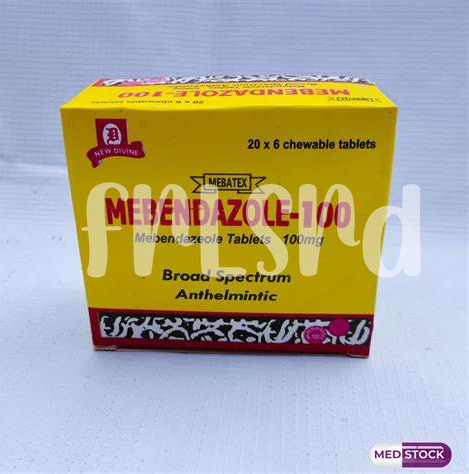
Treatment varies by worm species and patient factors; mebendazole often uses weight- or age-adjusted doses, making personalization essential for children and adults.
Administration routes are simple: oral tablets or chewables, but food interactions, gastric absorption timing, and comorbidities influence effectiveness and tolerance widely in practice.
Duration varies: single-dose regimens exist for pinworms, while tissue-invasive infections require longer, repeated courses and monitoring of liver enzymes for patient safety.
Special populations matter: pregnant women, young children, and those with hepatic disease need tailored regimens, alternative agents, or specialist consultation and careful follow-up.
Cost, Availability, and Global Treatment Guidelines Overview
Pricing varies enormously between countries: generic mebendazole is inexpensive in many low-income settings, while branded supplies and importation fees can raise price significantly. Procurement policies drive access for mass deworming programs and influence treatment choices.
Availability mirrors funding: donated albendazole often supports school campaigns, whereas mebendazole remains widely used in community clinics. Stockouts, regulatory approvals, and distribution logistics shape which drug reaches patients when and where under varying national guidelines.
International recommendations vary: some favor albendazole for transmission control, others include mebendazole depending on supply, resistance data, and program needs.
Local formularies, procurement costs, and donation programs ultimately decide which drug is stocked, so clinicians should follow national protocols, document treatment outcomes, report stockouts promptly, and advocate for evidence-based procurement to ensure communities consistently receive effective anthelmintics including mebendazole where appropriate, and align purchasing with WHO guidance periodically reviewed
| Drug | Cost |
|---|---|
| Mebendazole | Low |
Choosing the Right Drug: Clinical Decision Factors
Clinicians weigh parasite species, infection burden, and host factors when selecting therapy, often considering comorbidities and prior drug exposure.
Mebendazole is favored for intestinal nematodes; albendazole suits systemic or tissue-invasive helminths and cestode treatments with adjuncts.
Safety, drug interactions, pregnancy status, and access influence decisions; short courses versus mass drug administration require different strategies and monitoring plans.
Individualized care balances efficacy and safety, guided by guidelines and local resistance patterns; shared decision making with patients and public health teams ensures appropriate choice and follow up carefully. CDC PubChem