
Click HERE To Buy Hydroxychloroquine Online ↓
 Hydroxychloroquine Clinical Trials: What Research Shows
Early Laboratory Promise Versus Real-world Trial Outcomes
Early lab studies showed antiviral activity in cells, sparking hope as clinicians sought immediate, repurposed options during the crisis worldwide and urgently.
However, cell culture and animal models rarely mirror human pharmacology; doses effective in vitro often exceed safe achievable concentrations in patients clinically.
Initial small observational reports claimed benefits, but subsequent randomized trials failed to demonstrate consistent reductions in viral load, hospitalization, or mortality across settings.
The narrative shifted to caution as rigorous trials showed limited efficacy and underlined the gap between bench findings and bedside reality in practice.
Key Randomized Trials and Their Decisive Findings
Early randomized trials turned laboratory optimism into rigorous testing. Small, early studies hinted at benefit, but larger, well-controlled trials changed the story.
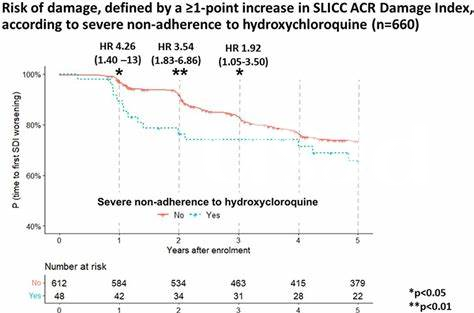
The RECOVERY, SOLIDARITY, and several outpatient trials enrolled thousands, randomizing patients to hydroxychloroquine or standard care. Their primary endpoints, mortality, hospitalization, and viral clearance, showed no meaningful clinical benefit. Subgroup analyses rarely found benefit.
Some trials stopped early for futility; others demonstrated potential harms when given at higher doses or late in disease. These decisive outcomes shifted practice away from routine use.
Taken together, randomized evidence emphasized the gap between in vitro promise and patient-centered outcomes, underscoring why rigorous trials are essential during health crises. They refined design and informed guidelines and policy.
Methodological Pitfalls That Shaped Conflicting Study Results
Early excitement often outpaced rigorous design: small sample sizes, open-label protocols, and heterogeneous patient populations produced dramatic but unreliable signals. Many observational reports failed to control confounding—sicker patients were more likely to receive hydroxychloroquine in some series—and dosing regimens varied widely. Lack of standardized endpoints and inconsistent timing of treatment relative to symptom onset further clouded interpretation, turning initial promise into a patchwork of conflicting results that challenged clinicians and policymakers.
Randomization failures, premature stoppages, and selective reporting amplified uncertainty. Some trials lacked placebo controls or blinding, while others pooled heterogeneous cohorts in meta-analyses without harmonizing outcomes. Publication bias and rapid preprint dissemination sometimes elevated low-quality evidence. The result was a fragmented evidence base; only through large, well-powered randomized controlled trials with transparent protocols and prespecified endpoints did clearer conclusions about efficacy and safety emerge, guiding clinical practice more reliably.
Safety Signals: Cardiac Risks and Adverse Events

Early clinical experience quickly highlighted that off-label use of hydroxychloroquine carried more than theoretical concern. Reports of palpitations and syncope prompted electrocardiographic screening; clinicians found QT interval prolongation in a subset of patients, particularly when combined with other QT-prolonging drugs or with electrolyte disturbances.
Randomized trials and observational cohorts documented dose-dependent increases in arrhythmia risk, with rare but serious torsades de pointes. Beyond cardiac issues, studies reported gastrointestinal upset, hypoglycemia, and hepatic enzyme elevations, reminding researchers that repurposed drugs retain their original adverse-effect profiles. Risk was higher in older patients and those with cardiac disease.
These safety signals shifted risk–benefit calculations: without clear clinical efficacy, incremental harms became unacceptable. The episode underscored the need for rigorous cardiac monitoring, transparent adverse-event reporting, and caution before widespread off-label deployment in future outbreaks. Regulatory agencies issued warnings and updated guidance rapidly worldwide too.
Meta-analyses, Retractions, and the Evolving Consensus
Early pooled analyses promised clarity, but as data accumulated the narrative shifted. Enthusiasm around hydroxychloroquine met rigorous trials, revealing inconsistent effects and prompting deeper scrutiny of evidence quality and debate.
Meta-analyses pooled heterogeneous trials, sometimes magnifying bias. High-profile retractions and uneven data transparency undermined confidence, steering consensus toward caution and reliance on randomized evidence over speculative clinical claims and re-evaluation.
The evolving consensus emphasizes transparent data sharing, preregistration, and adaptive trials so future therapeutic claims avoid past missteps and better protect patients while informing policy swiftly.
| Study | Status |
|---|---|
| RECOVERY | Decisive |
What Lessons Trials Offer for Future Pandemic Therapeutics
Early hydroxychloroquine trials taught a basic truth: laboratory effects do not ensure clinical benefit. Translating cell culture findings into patient outcomes requires rigorous randomized evaluation and caution. Indeed.
Robust trial design—placebo control, adequate power, clear endpoints and representative enrollment—proved decisive. Adaptive platform trials accelerated evidence without sacrificing standards, guiding safer, faster decisions for clinicians, regulators and patients.
Safety surveillance and transparent data sharing are nonnegotiable; early signals about cardiac toxicity required rapid pharmacovigilance. Preprints helped speed knowledge but demanded careful peer review to avoid premature adoption.
Trials underscored the value of preplanned protocols, global collaboration, rapid funding and investment in trial networks that can pivot swiftly while protecting scientific rigor and equitable access. NIH WHO