
Click HERE To Buy Finasteride Online ↓
 Finasteride Dosage: Finding the Right Balance
Understanding Finasteride: What Is It Used For?
Finasteride, a groundbreaking medication, opens new doors for individuals seeking solutions to hair loss and benign prostatic hyperplasia (BPH). Primarily designed to treat these conditions, this drug works by inhibiting the conversion of testosterone to dihydrotestosterone (DHT), a hormone closely linked to both hair loss in men and prostate enlargement. In the realm of hair restoration, finasteride stands as a beacon of hope, offering noticeable results for those tackling male pattern baldness. Simultaneously, it provides relief to patients with BPH by reducing the size of enlarged prostate glands, thus easing urinary symptoms. Although its applications are groundbreaking, understanding of it’s function is crucial. This ensures patients can make informed decisions about its use, paving the way for effective treatment outcomes.
| Condition | Impact |
|---|---|
| Hair Loss | Reduces DHT to promote hair growth |
| Prostate Enlargement | Decreases prostate size, easing symptoms |
Recommended Dosage: What the Experts Advise
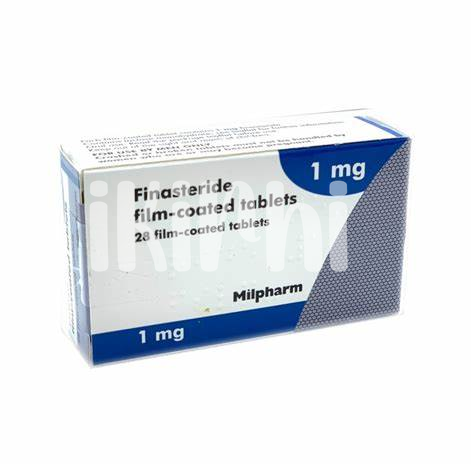
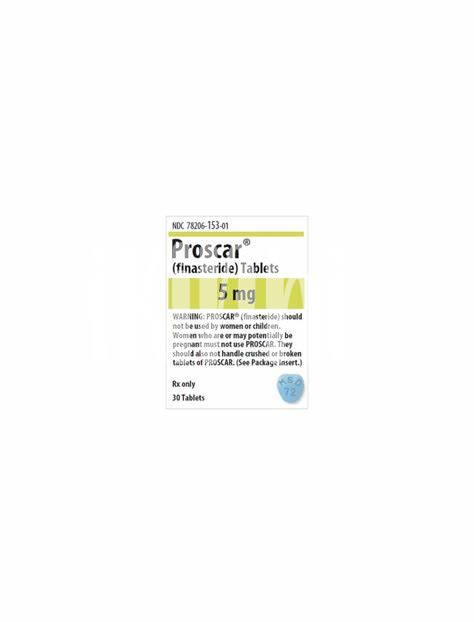
When it comes to finasteride, experts tend to vary slightly in their recomendations, but a common starting point is typically a 1 mg daily dose. This standard dosage is primarily aimed at treating male pattern baldness and has been extensively studied, proving both its safety and efficacy over extended periods. For benign prostatic hyperplasia (BPH), the dosage may be higher, typically around 5 mg per day. It’s crucial to note that these dosages are rooted in robust clinical research and have recieved general endorsement from healthcare professionals worldwide.
For those just beginning their finasteride journey, it's important to recognize that response to the medication can vary significantly. Patience and consistency are key, as it may take several months to observe noticable changes. However, adherence to the recommended dosage is vital for maximizing benefits while minimizing potential risks.
Personalized Dosage: Finding What Works for You
Finding the right finasteride dosage is akin to a personal journey where no one-size-fits-all solution exists. Each individual may react differently, thus it is essential to closely monitor your body's response. While experts may recomend starting with a standard dose, the key is to adjust based on how your body adapts. Tracking any changes in hair growth patterns or side effects can guide you to the optimal dosage. Always base adjustments on your specific experience with finasteride, taking into account any unique health considerations.
Embarking on this path requires patience and careful attention. As you persevere, it's wise to keep a detailed journal of your progress, noting any improvements or unexpected changes in your hair or overall health. Consult with a healthcare professional regularly to ensure you're on the right track. Remember, your health deserves the utmost care, and finding balance involves both understanding your unique needs and being open to tailoring your finasteride regimen considerably.
Potential Side Effects: Risks of Incorrect Dosage
When using finasteride, understanding the side effects of an inaccurate dosage is crucial. Taking more than prescribed might not acheive faster results but can instead increase the risk of complications. Users might experience side effects such as dizziness, skin rash, or discomfort, wich can interfere with daily life.
Patients occasionally tread the fine line between effectiveness and safety. An incorrect dosage could lead to unwanted hormonal changes, impacting physical and mental health. Spotting these changes early is vital.
Monitoring your body's reaction to finasteride is key. Be alert for unusual symptoms that may apear or occur suddenly. If any arise, consult a healthcare provider promptly to adjust your dosage safely.
Monitoring Progress: When to Adjust Your Dosage
Keeping track of your response to finasteride is crucial for optimizing its benefits. Some individuals might notice changes sooner than others, with variations in hair regrowth or scalp health. It's important to not rush into increasing the dose without a patience period, as results can take time to manifest. Overdosing can lead to unnecessary side effects, so adjusting should be based on logical assessment rather than impulse.
| Month | Expected Progress |
|---|---|
| 1-3 | Initial shedding might be noticable |
| 4-6 | Stabilization and potential signs of regrowth |
Regularly documenting observations in a journal aids in identifying trends. Consult with a healthcare provider if expected improvements haven't occured, as they might suggest modifications based on clinical evaluations.
Consultation and Guidance: Seek Professional Advice
When it comes to finasteride, navigating the right dosage can be daunting. While personal insight is valuable, nothing beats the guidance of a professional. Experianced medical practitioners can provide insights that are both profound and vital for your individual needs. Consulting a specialist isn't just about verifying dosage; it's an opportunity to address any lingering concerns and obtain reassurance. With their support, you can begin to truly acomplish a treatment regime that's tailored precisely to your requirements, ensuring both effectiveness and safety.