
Click HERE To Buy Ampicillin Online ↓
 Ampicillin Resistance: Causes and Global Impact
How Bacteria Neutralize Penicillin-family Antibiotic Effectiveness
A single bacterial mutation can ripple into a clinical crisis, as microbes arm themselves with enzymes that slice through beta-lactam rings. In hospitals and soil alike, bacteria acquire genes encoding beta-lactamases—proteins that chemically dismantle the antibiotic core—often carried on plasmids that jump between species. Other strategies include altering target proteins so drugs bind poorly, and pumping medicines out through efflux pumps, creating multidrug-resistant populations.
Horizontal gene transfer accelerates spread: bacteriophages, conjugation and transformation shuttle resistance determinants across communities, so a harmless commensal can seed a virulent strain. Stress responses induce biofilm formation, where cells survive high drug concentrations and exchange DNA more readily. Clinically, these mechanisms translate into treatment failures and longer, costlier care, compelling development of new diagnostics, stewardship programs, and novel therapeutics to outpace bacterial adaptation. Global cooperation, sustained funding, and policy action are essential to curb spread.
| Mechanism | Impact |
|---|---|
| Beta-lactamase production | Antibiotic inactivation |
| Target modification | Reduced drug binding |
| Efflux pumps / Biofilms | Lower intracellular drug levels / persistence |
Antibiotic Misuse and Overprescription Fueling Hard-to-treat Strains
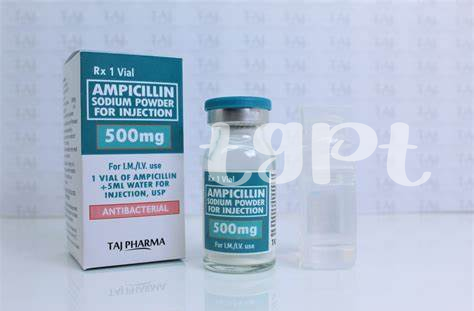
In clinics and homes alike, casual antibiotic use lets bacteria learn survival tactics. Prescriptions handed out for viral illnesses or stopped early create selective pressure; strains that resist common drugs persist. Over time, familiar treatments like ampicillin lose power as resistant populations expand and diversify.
Unchecked prescribing fuels cycles of harder infections, longer hospital stays, and limited options for physicians. Public education, stewardship programs, and judicious use of agents can slow resistance. Combining rapid diagnostics with tighter guidelines helps preserve essential drugs and protects future patients from untreatable bacterial threats.
Agricultural Antibiotic Practices Accelerating Global Microbial Spread
Routine antibiotic use in livestock selects for resistant bacteria, turning barns into reservoirs of genes that blunt drug efficacy. Historically unseen resistance can emerge quickly when low doses are used for growth promotion.
Manure, water runoff and contaminated produce carry resistant organisms beyond farms, seeding communities and ecosystems with hard to treat strains.
These environmental pathways spread resistance mechanisms, beta lactamases that inactivate drugs like ampicillin, into human and animal populations, complicating treatment. Wildlife and insects can ferry resistant bacteria across borders, linking remote farms to distant markets.
Reducing nontherapeutic use, improving waste management and monitoring on farms can curb transmission, but requires coordinated policy, surveillance and farmer engagement. Actionable incentives boost rapid technology uptake.
Diagnostic Delays and Laboratory Gaps Obscuring Outbreak Trends
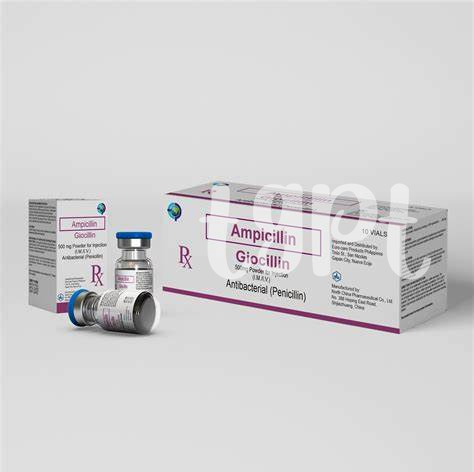
Frontline clinicians chase puzzling treatment failures while confirmations lag. A patient worsens despite ampicillin; cultures and susceptibility reports often take days, blurring early warning signals and delaying targeted responses that could halt emerging resistant clusters.
Under-resourced laboratories lack rapid molecular assays and standardized protocols, producing fragmented data. Surveillance becomes patchwork: sporadic reports from disparate hospitals fail to reveal transmission chains, hampering outbreak detection and obscuring true ampicillin resistance prevalence globally.
Reporting delays and proprietary data silos prevent timely public-health alerts. Without integrated systems connecting clinics, labs, and epidemiologists, interventions arrive late, contact tracing stalls, and opportunities to intervene before widespread ampicillin-resistant dissemination are lost altogether.
Bridging these gaps requires investment in diagnostics, workforce training, and affordable point-of-care testing. Genomic surveillance and open data platforms would map resistance evolution, enabling faster stewardship decisions to curb spread and protect effective ampicillin use.
International Spread Driven by Travel, Trade, and Transmission
Passengers, cargo and fleeting encounters stitch local outbreaks into global patterns, carrying resistant strains across borders. A traveller’s routine antibiotic, or environmental exposure at ports, can seed ampicillin-resistant bacteria in new communities, where surveillance often lags and spread goes unnoticed until clusters emerge.
Trade in food and livestock amplifies transmission chains, moving microbes in products and waste. Coordinated screening, traveler education and rapid lab reporting can interrupt pathways, while informed policies limit dissemination and protect health systems from costly, widespread ampicillin failures through surveillance networks and international cooperation, with urgency.
| Route | Risk |
|---|---|
| Travel | High |
Economic, Clinical Burdens Demanding Urgent Public-health Policy
Health systems are already paying for resistance with longer hospital stays, repeated clinic visits and pricier second-line drugs. The ripple effects hit budgets through extra diagnostics, isolation procedures and lost productivity when working-age people cannot return to their jobs.
Clinicians face a growing clinical dilemma: first-line oral therapy sometimes fails, pushing care toward intravenous combinations and specialist referral. Patients endure higher morbidity, delayed recovery and more complications, stretching intensive care resources and testing stewardship limits.
Policymakers must act now to fund disease surveillance, incentivize development of rapid diagnostics and novel antimicrobials, regulate agricultural antibiotic use, and support equitable access to effective treatments. Coordinated investment reduces long-term expenditures, protects vulnerable populations and safeguards health system resilience while preserving therapeutic options for future generations. Failure to implement these measures risks escalating costs, eroding public trust and increasing preventable mortality worldwide globally now. PubChem - Ampicillin NLM Drug Information Portal - Ampicillin